Auction or asking price? Let’s quit guessing and look at what you’re selling.
C&C STRAIGHT TALK · SELLING BUSINESS ASSETS
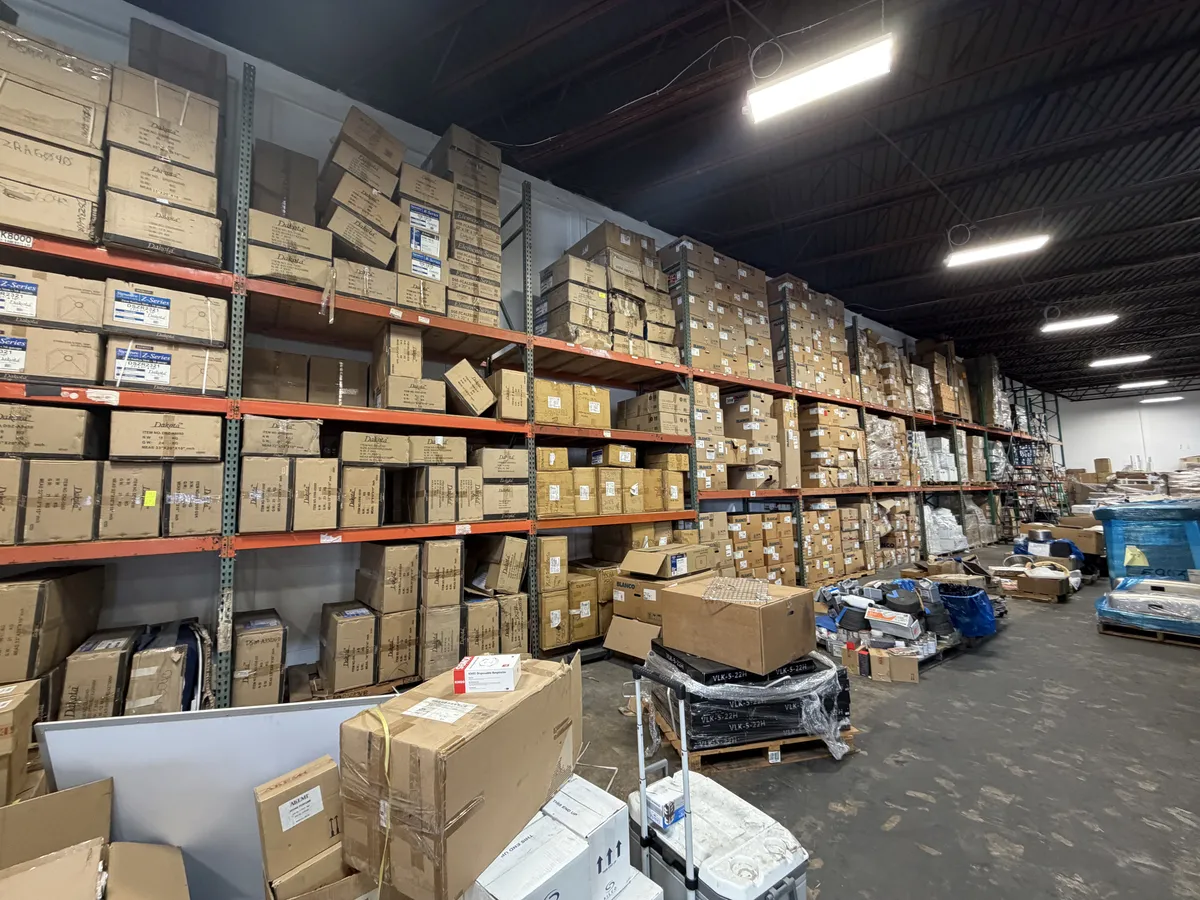
Actual C&C project photograph. Completed Orlando inventory liquidation.
You’ve got equipment to sell. Should you put a price on it, take offers or send it to auction? The honest answer: we need to look at what you have first.
I’m not going to slap “AUCTION” on everything and pretend that answers the question. An oven, a trailer and a warehouse full of inventory are different situations. Add a lease deadline or limited loading access, and the plan changes again.
What a direct sale gives you
You can advertise an asking price and discuss a purchase with an interested buyer. That can make sense when an item can remain available while you work through inquiries. It also means someone needs to answer questions, review offers, confirm availability and coordinate payment and pickup.
“Buy It Now” on C&C’s marketplace starts a purchase request. It does not mean an item is reserved or paid for just because someone clicks the button. We confirm the details and agreed total, arrange the payment request and verify payment before coordinating pickup.
Selling it yourself is a job. Did you want another one?
Facebook can put an item in front of people. It doesn’t answer their questions, decide which offers deserve your time or show up when a buyer doesn’t. You are still the photographer, salesperson, appointment scheduler and person waiting at the property.
If you’ve got one manageable item and the time to sell it, doing it yourself may be perfectly reasonable. If you’ve got a building full of assets and a deadline, the workload is a different conversation. That’s where an auction or liquidation company can be worth considering.
What you’re hiring C&C to help with
We review the asset mix, timing and site requirements with you, then agree on a scope. Depending on that agreement, C&C can take on sale preparation, cataloging, marketing, bidding administration and buyer checkout coordination. The benefit is having a process and defined responsibilities instead of making you chase every inquiry yourself.
There are fees for professional services, and those need to make sense for the project. We discuss them before you commit. We also clarify your responsibilities and what is outside our scope. Hiring a company should make the work clearer. It should not require a crystal ball.
What an auction gives you
An auction puts assets into a bidding process with published terms and a closing schedule. It can bring a range of items into one organized sale. Preparation still matters: clear lot descriptions, actual photos, realistic access arrangements and buyers who understand the terms.
Bidding activity and final prices are not guaranteed. A catalog full of listings does not create demand by itself. We need to consider the asset mix and whether the available time supports the preparation and marketing involved.
Six things I want to know before recommending a route
What are we selling? One item, selected surplus or the contents of an entire operation?
Who can authorize the sale? Identify leased equipment, vendor property and fixtures before advertising.
What condition is it actually in? Separate confirmed information from what still needs checking.
Where is it? City, site access and loading restrictions affect the practical plan.
When does it need to move? Include enough time for payment, pickup and any necessary disconnection.
What matters most to you? Discuss your price expectations, timing and willingness to handle individual inquiries.
Your asking price and your deadline have to have a conversation.
It’s fine to have a number in mind. Tell us where it came from and how much flexibility you have. An asking price is a request, not proof of market value. If the equipment must be gone by a certain date, we need to discuss what happens if an acceptable buyer hasn’t appeared by then.
Know what the agreement covers.
Before proceeding, get clear on the sale approach, fees, timing, payment handling and removal responsibilities. Ask what is outside the scope, too. Selling equipment and leaving a property ready for its next use are not automatically the same service.
The best plan is one you can actually carry out.
At C&C, the conversation starts with the assets, location and timeline. From there, we can discuss available auction arrangements or whether a direct-sale approach is worth exploring. No one needs another impressive-sounding plan that falls apart at the loading door.
Let’s talk through your sale → 954-665-3468
Looking to buy? Browse current auctions or explore the marketplace. Availability and terms vary by listing.